Online gambling, and 20p Roulette demo in particular, may seem like harmless fun — especially because you can play with very low stakes or even for free in demo mode. But beneath the surface, there are serious risks and dangers that many players overlook. This article explains why 20p Roulette demo is not as safe or benign as it may seem, particularly for vulnerable individuals and casual gamblers. It also examines psychological dangers, economic risks, misconceptions about fairness, and how easily gambling can escalate from a demo to real money losses.
1. What Is 20p Roulette Demo?
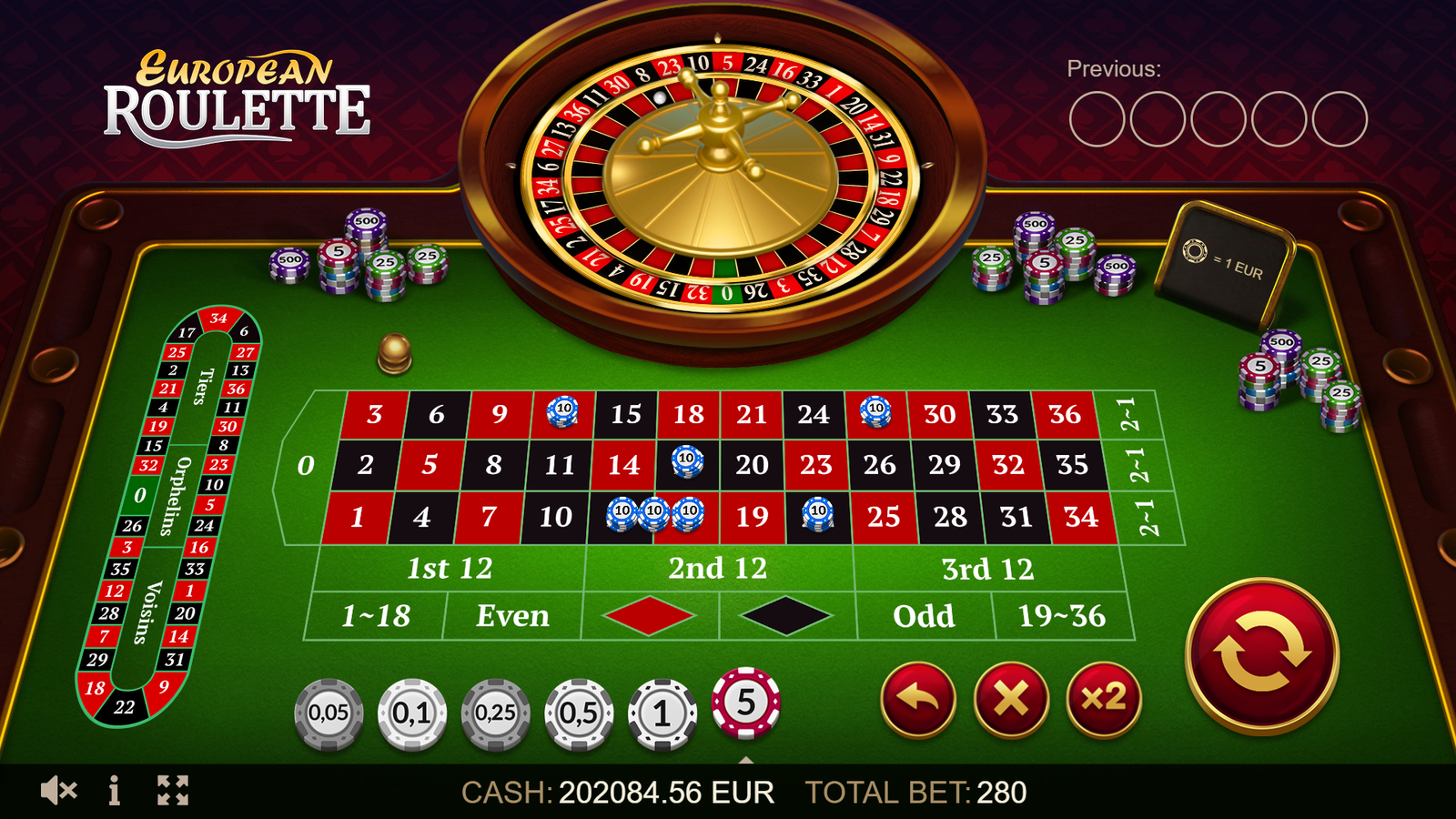
“20p Roulette demo” refers to a version of an online roulette game where players can spin a virtual wheel, place bets from as low as 20 pence, and experience the action of roulette without immediately risking real money. The demo version mirrors the rules of real roulette: players choose numbers, colors, or ranges, and wait for the outcome of a spin decided by a Random Number Generator (RNG), which ensures results are random in licensed environments.
Although the word “demo” implies a risk‑free or safe environment, this perception is precisely one of the core issues we’ll explore.
2. The Illusion of Safety: Why Demos Can Be Misleading
At face value, the demo appears safe: you’re not wagering real funds. But this sense of safety is deceptive:
a. It Normalizes Gambling Behavior
Playing a “demo” conditions players to accept gambling as routine entertainment. Even though you aren’t losing money at first, you are practicing the same mechanics, the same emotional rewards and losses, and building the same mental associations that lead many to transition into paying real money.
b. Encourages Riskier Habits Later
The psychological effects of spinning a wheel, hearing sounds of wins, and seeing “virtual wins” can trigger excitement and reward pathways in the brain — similar to real gambling. According to studies on gambling addiction, these conditioned responses can lead players to seek real money stakes because the emotional engagement feels compelling and rewarding.
Many gamblers underestimate how quickly they switch from demo play to real stakes without realizing the increased financial risk.
3. Not Really “Free”: Built‑In House Edge and Long‑Term Losses
Even in demo mode, the underlying math of roulette doesn’t change. The game typically uses a European single zero wheel, giving the house an edge and an RTP (return to player) of about 97.3% — meaning that over the long term, the casino statistically retains 2.7% of total wagers.
This is important for two reasons:
- It teaches players that losses are part of the experience, reinforcing the belief that losing small amounts is normal.
- It hides how quickly losses can accumulate with real money, especially once players abandon the “demo” environment.
4. The Greatest Danger: Addiction and Mental Health Impact
Perhaps the most serious risk associated with 20p Roulette demo — and online gambling in general — is the potential for addiction.
a. Triggers Emotional Distress
Losing streaks, even in demo mode, can trigger frustration, anxiety, and stress. Players who experience emotional highs and lows while spinning the wheel may become more prone to chase losses later with real money.
b. Conditioning the Brain to Gamble
Repeated engagement with reward‑driven systems, especially when music or visual effects accentuate wins, primes players for addictive patterns. Transitioning from low‑risk demo play to real money bets can feel like a natural next step, even when it’s financially dangerous.
c. Losses Lead to Escalation
Once real money enters the picture, players often try strategies like doubling bets after losses (Martingale) or increasing stakes to chase wins. These strategies can quickly drain finances and worsen emotional distress.
5. Misconceptions About Fairness and Randomness
A common myth is that online roulette games, including 20p Roulette demo, are somehow “rigged” or manipulated unfairly. In licensed casinos, outcomes are controlled by a certified RNG, which is designed to simulate a fair spin.
However, even with a fair RNG, the perception of rigging or unfairness persists among players, especially when they experience unlucky streaks or when they misunderstand independent spin results. This misunderstanding can prompt:
- Riskier betting behavior
- The false belief that systems or strategies can “beat” the game
- Emotional reactions like chasing losses
These responses feed into harmful gambling patterns.
6. Transitioning From Demo to Real Money: The Hidden Trap
The worst danger with 20p Roulette demo is the ease with which players switch to real money play. Many online casino platforms present real money betting options right beside the demo. Players who feel confident after a few demo rounds often think they’re ready for real stakes.
Once that threshold is crossed, two critical factors come into play:
- Money can be lost far more quickly than expected
- Players may feel compelled to chase losses, increasing financial harm
Even experienced gamblers acknowledge that controlled strategies often fail because no system can overcome the inherent house edge in the long run.
7. Social and Economic Consequences
The personal impact of uncontrolled gambling goes beyond financial loss. Individuals can experience:
- Strained relationships
- Neglect of personal or professional responsibilities
- Increased anxiety and depression
- Financial distress or debt
Many responsible players start with the best intentions — using the demo as practice — but find themselves inching closer to real gambling and its harms.
8. Recognising Problem Gambling and Knowing When to Stop
If you find that 20p Roulette demo or any gambling game:
- Starts to dominate your time
- Causes stress or anxiety
- Makes you think about real money bets compulsively
- Triggers intense emotional reactions
You may be slipping into harmful territory.
Signs to Watch For
- Thinking about gambling constantly
- Betting more than you intended
- Increasing stakes to recapture excitement
- Feeling restless when not gambling
When these signs appear, it’s important to take breaks, seek support, and use responsible gambling features such as:
- Self‑exclusion tools
- Time‑out settings
- Deposit and loss limits
9. Responsible Engagement vs. Dangerous Patterns
Not all play is harmful. Some players enjoy 20p Roulette demo responsibly as an occasional entertainment activity. But the line between fun and danger is thinner than most realize.
Tips for Safer Play
- Treat demo play strictly as a learning tool
- Set time limits and stick to them
- Avoid transitioning impulsively to real money
- Understand that every bet has a built‑in edge for the house
- Never chase losses or try to “beat” the game
Realising that roulette is a game of chance — not skill — can reduce risky behaviours and emotional stress.
10. Final Thoughts: The Danger Is Real
While 20p Roulette demo may look harmless and even fun, it carries real risks that can lead players down a dangerous path if ignored. The seemingly low stakes, easy access, and gamified experience can mask the very real psychological and financial dangers that gambling — even in demo form — can introduce.
Understanding these risks, recognising harmful patterns early, and engaging with online casino games responsibly are essential steps to protect yourself and others from the potential harms associated with online gambling. By approaching 20p Roulette demo with caution and awareness, you can make more informed decisions — and avoid the pitfalls that many overlook.
